Welcome to the official website of Xi'an Yuli Electronic Technology Co., Ltd.


Understanding Sealed Relays: Key Features and Advantages
2026-03-26
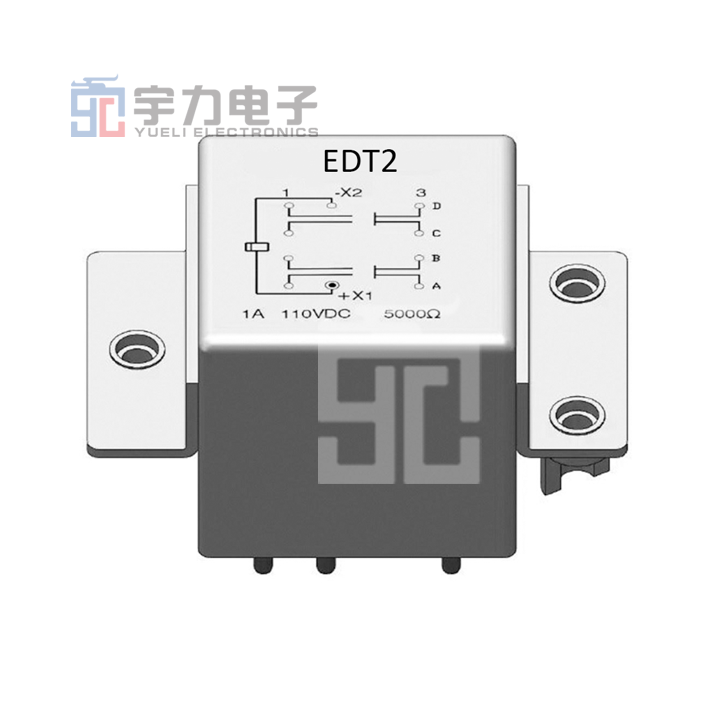
Sealed relays are an essential component in various electronic applications, providing reliable switching capabilities in challenging environments. Unlike standard relays that may be exposed to dust, moisture, and other contaminants, sealed relays are enclosed in protective casings, ensuring their durability and longevity. This article will discuss the significant features and advantages of sealed relays, helping you understand why they are a preferred choice in many industries.
One of the primary benefits of sealed relays is their ability to operate in harsh environments. The sealed design prevents the intrusion of moisture and dust, which can lead to corrosion and failure in standard relays. This makes them ideal for applications in automotive, industrial, and outdoor settings where exposure to elements is a concern. By choosing sealed relays, manufacturers can enhance the reliability of their systems, reducing the chances of unexpected downtime.
Sealed relays typically utilize a hermetic seal that protects the internal components from external factors. This design not only extends the lifespan of the relay but also maintains consistent performance over time. Users can expect less wear and tear, as the sealed nature minimizes the impact of environmental stressors on the relay's functionality.
Another notable aspect of sealed relays is their versatility. They can handle a wide range of electrical loads, making them suitable for various applications, from basic control systems to complex automated setups. Sealed relays are often employed in automotive electronics, appliances, HVAC systems, and industrial machinery. Their ability to reliably switch high and low voltages further enhances their applicability across different sectors.
In addition to their environmental resistance, sealed relays provide superior electrical insulation. The sealed construction helps reduce the risk of arcing and short circuits, contributing to safer operation in sensitive applications. This is particularly important in environments where electrical safety is paramount, as the risk of failures can lead to severe consequences.
Moreover, the compact design of sealed relays allows for space-saving solutions in electronic systems. Their small footprint enables engineers and designers to integrate them into tight spaces without compromising on performance. This aspect is especially beneficial in modern electronic devices, where minimizing size while maximizing functionality is a key requirement.
In conclusion, sealed relays offer numerous advantages, making them an essential choice for various applications in the electronic components industry. Their robustness against environmental challenges, versatility in handling electrical loads, and compact design make them invaluable in enhancing system reliability and safety. By understanding the features of sealed relays, manufacturers and engineers can make informed decisions when incorporating these components into their systems, ultimately leading to better performance and longevity.
Xi'an Yuli Electronic Technology Co., Ltd.
Whats App:+8618122061211

Message consultation
Note: Please leave your contact information and our professionals will contact you as soon as possible!