Welcome to the official website of Xi'an Yuli Electronic Technology Co., Ltd.


Three Phase Relay Testing: Ensuring Optimal Performance
2026-03-27
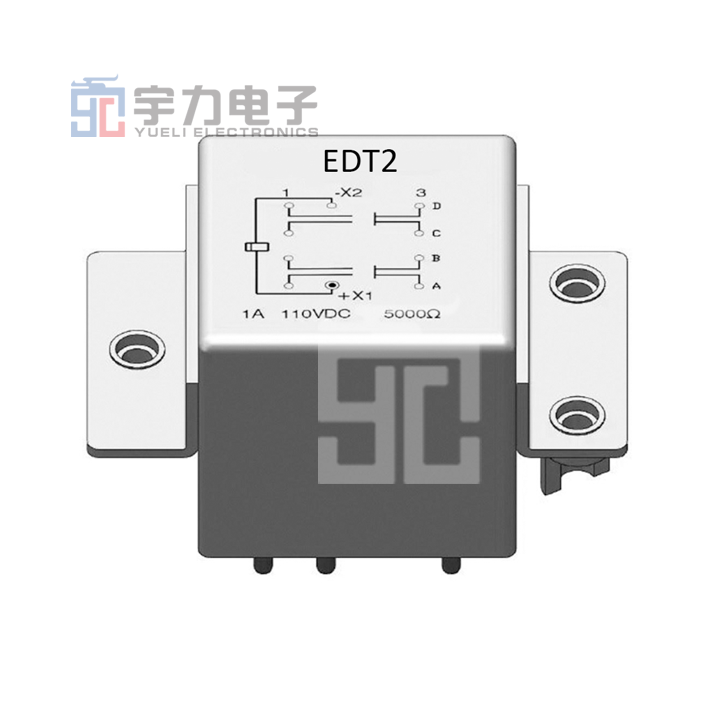
Three Phase Relay Testing: Ensuring Optimal Performance
In the realm of electrical engineering, ensuring the reliability and performance of three-phase systems is crucial. One of the key components in maintaining this reliability is the three-phase relay. This article delves into the intricacies of three-phase relay testing, providing a detailed guide to ensure optimal performance of these critical devices.
Table of Contents
- Introduction to Three Phase Relays
- Importance of Relay Testing
- Testing Procedures for Three Phase Relays
- Tools and Equipment for Testing
- Common Issues and Troubleshooting
- Best Practices for Relay Maintenance
- Conclusion
- FAQs
Introduction to Three Phase Relays
Three-phase relays play a pivotal role in electrical systems, providing protection and control for electrical equipment. These relays detect faults, such as overloads or short circuits, and act swiftly to disconnect the affected circuit. Understanding their operation is fundamental to effective testing and maintenance.
What is a Three Phase Relay?
A three-phase relay is an electrical device designed to monitor the electrical parameters of a three-phase system. It typically includes functionality for monitoring current, voltage, and phase rotation. When an abnormal condition is detected, the relay activates to protect the equipment and ensure safety.
Key Functions of Three Phase Relays
The primary functions of three-phase relays include:
- Overcurrent protection: Prevents damage caused by excessive current flow.
- Voltage monitoring: Detects under-voltage and over-voltage conditions.
- Phase failure detection: Identifies loss of one or more phases to prevent equipment damage.
- Reverse phase protection: Ensures the correct direction of motor rotation.
Importance of Relay Testing
Regular testing of three-phase relays is vital for several reasons:
- Ensures reliability: Testing verifies that the relay functions correctly, providing assurance that protection mechanisms are in place.
- Enhances safety: Properly functioning relays minimize the risk of electrical accidents and equipment damage, contributing to overall system safety.
- Prevents costly downtime: Routine testing and maintenance can identify issues before they escalate, avoiding unexpected failures and production halts.
- Compliance with regulations: Many industries have specific regulations mandating regular testing of protective devices.
Testing Procedures for Three Phase Relays
Effective testing of three-phase relays involves a systematic approach to ensure all aspects of functionality are evaluated. Below are the essential testing procedures:
Visual Inspection
The first step in relay testing is conducting a thorough visual inspection. This involves checking for:
- Physical damage: Look for cracks, corrosion, or other visible signs of wear.
- Connections: Ensure all electrical connections are secure and free from oxidation.
- Mounting: Verify that the relay is properly mounted to prevent vibrations and movement.
Functional Testing
Functional testing assesses the relay's operational capabilities in a controlled environment. Key steps include:
- Simulating fault conditions: Use testing equipment to simulate overloads, short circuits, or phase imbalances.
- Monitoring relay response: Observe and record the relay's response time and accuracy during fault simulation.
- Testing settings: Verify that the relay settings match the specifications required for the specific application.
Performance Testing
Performance testing evaluates the relay's overall performance characteristics under operational conditions. This includes:
- Testing trip settings: Confirm that the relay trips at the correct current and voltage levels.
- Measuring reset times: Assess how quickly the relay resets after fault conditions are cleared.
- Calibration checks: Ensure that all measuring instruments are calibrated to provide accurate readings.
Tools and Equipment for Testing
To conduct effective testing of three-phase relays, you will need the following tools and equipment:
- Multimeter: For measuring voltage, current, and resistance.
- Clamp meter: Useful for measuring current without disconnecting circuits.
- Relay test set: A specialized device designed to simulate electrical conditions and record relay responses.
- Insulation resistance tester: To check the integrity of insulation in the relay and associated wiring.
- Power supply: To provide the necessary voltage levels for testing.
Common Issues and Troubleshooting
During testing, various issues may arise. Understanding these common problems and their solutions can help ensure optimal relay performance:
Relay Does Not Trip
If the relay fails to trip under fault conditions, check for:
- Incorrect settings: Ensure the relay settings are appropriate for the application.
- Faulty connections: Inspect all connections for integrity and security.
- Malfunctioning relay: Replace the relay if it is unresponsive or defective.
Relay Trips Too Often
Frequent tripping can indicate:
- Over-sensitivity: Adjust the relay settings to reduce sensitivity.
- Transient conditions: Evaluate the system for temporary faults and correct underlying issues.
- Electrical noise: Implement filters to reduce noise affecting the relay operation.
Best Practices for Relay Maintenance
To extend the life of three-phase relays and ensure continued optimal performance, follow these best practices:
- Regular testing: Conduct routine testing as part of a preventive maintenance schedule.
- Keep records: Document all testing results and maintenance activities for future reference.
- Training personnel: Ensure that staff responsible for testing and maintenance are properly trained.
- Stay informed: Keep up with industry standards and updates related to relay technology and best practices.
Conclusion
Testing three-phase relays is a critical aspect of maintaining the safety and efficiency of electrical systems. By following established testing procedures and employing the right tools, professionals can ensure that these devices operate optimally. Regular maintenance and troubleshooting can prevent costly downtime, enhance safety, and extend the lifespan of electrical equipment. As technology continues to evolve, staying informed and adaptable will be essential for achieving peak performance in three-phase systems.
FAQs
1. How often should three-phase relays be tested?
Testing should be conducted as part of a preventive maintenance schedule, typically annually or more frequently in critical applications.
2. What tools are essential for testing three-phase relays?
Essential tools include a multimeter, clamp meter, relay test set, insulation resistance tester, and a power supply.
3. What are the common causes of relay failure?
Common causes include incorrect settings, poor connections, environmental conditions, and physical damage to the relay.
4. Can I test a three-phase relay without specialized equipment?
While some basic testing can be done with standard tools, specialized relay test sets provide more comprehensive testing capabilities.
5. How can I improve the lifespan of my three-phase relays?
Regular maintenance, timely testing, and ensuring that the relays operate within specified parameters can significantly improve their lifespan.
Xi'an Yuli Electronic Technology Co., Ltd.
Whats App:+8618122061211

Message consultation
Note: Please leave your contact information and our professionals will contact you as soon as possible!