Welcome to the official website of Xi'an Yuli Electronic Technology Co., Ltd.


The Essential Guide to Signal Relays: Understanding Their Role in Electronic Systems
2026-03-28
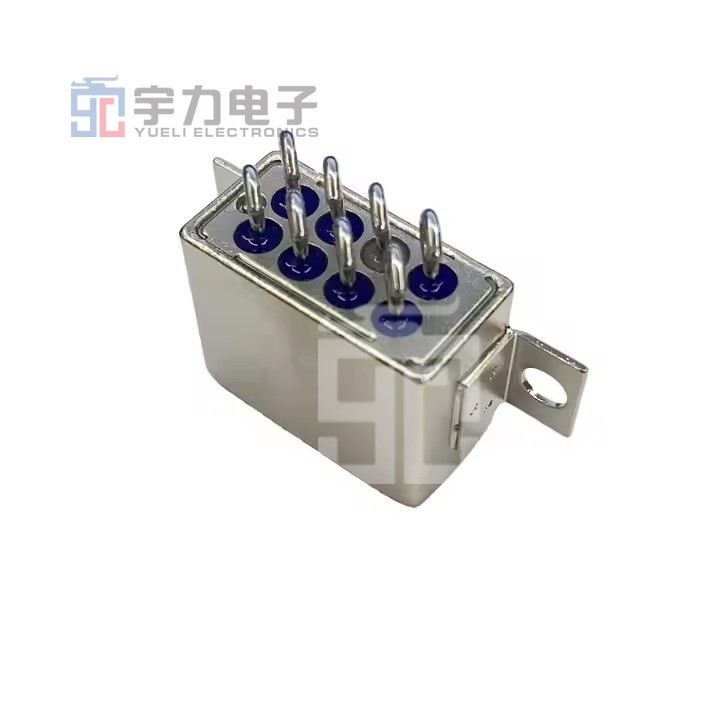
Signal relays are critical components in the realm of electronic devices and systems. As a subset of relays, they serve to switch signals within a circuit, allowing low-power control of high-power devices without direct electrical contact. This characteristic makes them indispensable in numerous applications, ranging from telecommunications to industrial automation.
One of the primary functions of signal relays is to provide electrical isolation between the control circuit and the load circuit. This isolation is vital for protecting sensitive components from high voltages or currents that could cause damage. By employing a signal relay, engineers can ensure that control signals are transmitted safely and efficiently, maintaining the integrity of the entire system.
Signal relays come in various configurations, including electromagnetic and solid-state types. Electromagnetic relays utilize a coil to create a magnetic field, which mechanically operates the switching mechanism. On the other hand, solid-state relays employ semiconductor devices to perform the same function without moving parts, resulting in faster switching speeds and greater reliability. Choosing the right type of signal relay depends on the specific requirements of the application, such as switching speed, load capacity, and operational environment.
In addition to their isolation properties, signal relays are often used for signal amplification and conversion. This capability is particularly beneficial in applications where signal degradation could occur over long distances or through noisy environments. By using signal relays, engineers can ensure that the signals maintain their integrity, enabling accurate data transmission in critical systems.
Furthermore, signal relays play a significant role in enhancing system safety. In automated systems, they can act as protective devices that interrupt power in case of an overload or fault condition. This protective function is crucial for preventing damage to both equipment and personnel, making signal relays a vital component in safety-critical applications.
When selecting a signal relay, professionals must consider several key factors, such as coil voltage, contact configuration, and switching capacity. Understanding these specifications allows for the optimal integration of signal relays into electronic designs, ensuring that systems operate efficiently and safely.
In summary, signal relays are essential for providing electrical isolation, signal amplification, and system protection in electronic circuits. Their versatility and reliability make them a preferred choice for engineers and designers across various industries. By understanding the functions and applications of signal relays, professionals can make informed decisions that enhance the performance and safety of their electronic systems.
Xi'an Yuli Electronic Technology Co., Ltd.
Whats App:+8618122061211

Message consultation
Note: Please leave your contact information and our professionals will contact you as soon as possible!