Welcome to the official website of Xi'an Yuli Electronic Technology Co., Ltd.


Understanding Radio Frequency Relays: Key Insights for Professionals in the Electronics Industry
2026-03-30
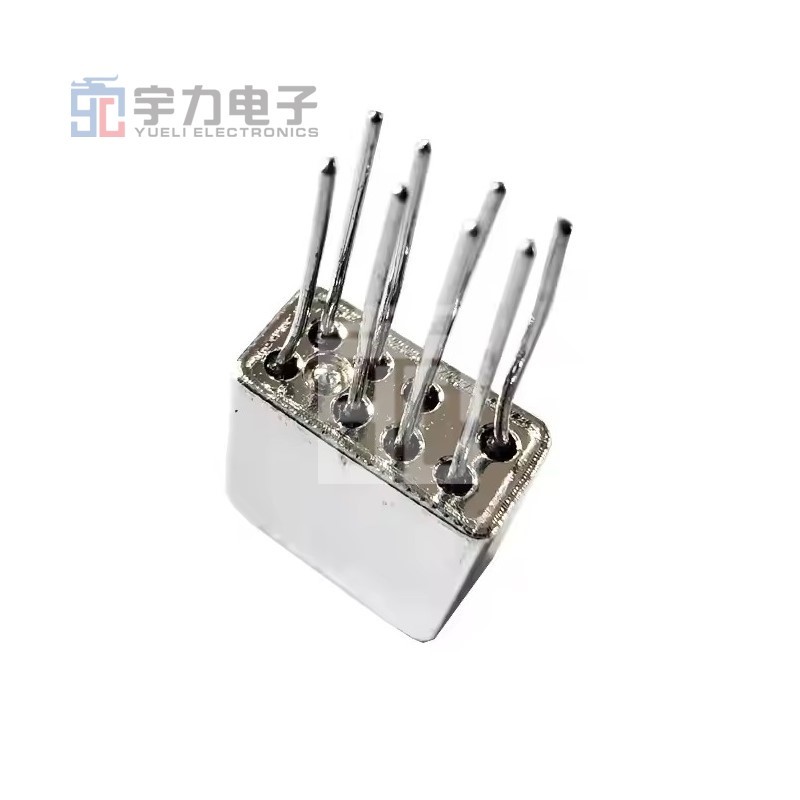
Radio frequency relays are essential electronic components used to control the flow of electrical signals through radio frequencies. They serve as switches that can be activated or deactivated remotely, which significantly enhances the efficiency and convenience of various electronic systems. Unlike traditional relays that operate via physical contacts, radio frequency relays utilize electromagnetic fields to manage their switching mechanisms. This unique feature allows for non-contact operation, which can be particularly advantageous in environments where physical access to the device is challenging or impractical.
One of the primary advantages of radio frequency relays is their ability to handle high-frequency signals. This makes them ideal for applications in telecommunications, remote sensing, and automation. In industrial environments, they are often used to facilitate communication between different devices, enabling seamless operations in complex systems. For instance, in smart home applications, radio frequency relays can be employed to control lighting, heating, and security systems from a distance, enhancing user experience and energy efficiency.
In addition to their applications in telecommunications and smart technology, radio frequency relays are also crucial in automotive systems. Many modern vehicles incorporate radio frequency technology to enhance communication between various electronic components, such as keyless entry systems and advanced driver-assistance systems (ADAS). The reliability and efficiency of radio frequency relays make them an integral part of the automotive electronic architecture, contributing to improved safety and convenience for drivers.
When considering the integration of radio frequency relays into your projects, it’s important to take into account several factors, including frequency range, power handling capacity, and switching speed. These parameters can significantly impact the performance of the relay in a specific application. Moreover, understanding the environmental conditions of operation, such as temperature variations and potential electromagnetic interference, will aid in selecting the appropriate relay for your needs.
In summary, radio frequency relays are versatile components that play a vital role in modern electronic systems across various industries. Their ability to operate efficiently at high frequencies while providing remote control capabilities makes them a preferred choice in telecommunications, automation, and automotive applications. As you explore the world of electronic components, gaining a deeper understanding of radio frequency relays will enable you to make informed decisions and enhance the functionality of your electronic systems.
One of the primary advantages of radio frequency relays is their ability to handle high-frequency signals. This makes them ideal for applications in telecommunications, remote sensing, and automation. In industrial environments, they are often used to facilitate communication between different devices, enabling seamless operations in complex systems. For instance, in smart home applications, radio frequency relays can be employed to control lighting, heating, and security systems from a distance, enhancing user experience and energy efficiency.
In addition to their applications in telecommunications and smart technology, radio frequency relays are also crucial in automotive systems. Many modern vehicles incorporate radio frequency technology to enhance communication between various electronic components, such as keyless entry systems and advanced driver-assistance systems (ADAS). The reliability and efficiency of radio frequency relays make them an integral part of the automotive electronic architecture, contributing to improved safety and convenience for drivers.
When considering the integration of radio frequency relays into your projects, it’s important to take into account several factors, including frequency range, power handling capacity, and switching speed. These parameters can significantly impact the performance of the relay in a specific application. Moreover, understanding the environmental conditions of operation, such as temperature variations and potential electromagnetic interference, will aid in selecting the appropriate relay for your needs.
In summary, radio frequency relays are versatile components that play a vital role in modern electronic systems across various industries. Their ability to operate efficiently at high frequencies while providing remote control capabilities makes them a preferred choice in telecommunications, automation, and automotive applications. As you explore the world of electronic components, gaining a deeper understanding of radio frequency relays will enable you to make informed decisions and enhance the functionality of your electronic systems.
Xi'an Yuli Electronic Technology Co., Ltd.
Whats App:+8618122061211

Message consultation
Note: Please leave your contact information and our professionals will contact you as soon as possible!