Welcome to the official website of Xi'an Yuli Electronic Technology Co., Ltd.


Polarized Relays: Bridging the Gap in Circuit Reliability for Enhanced Performance
2026-03-31
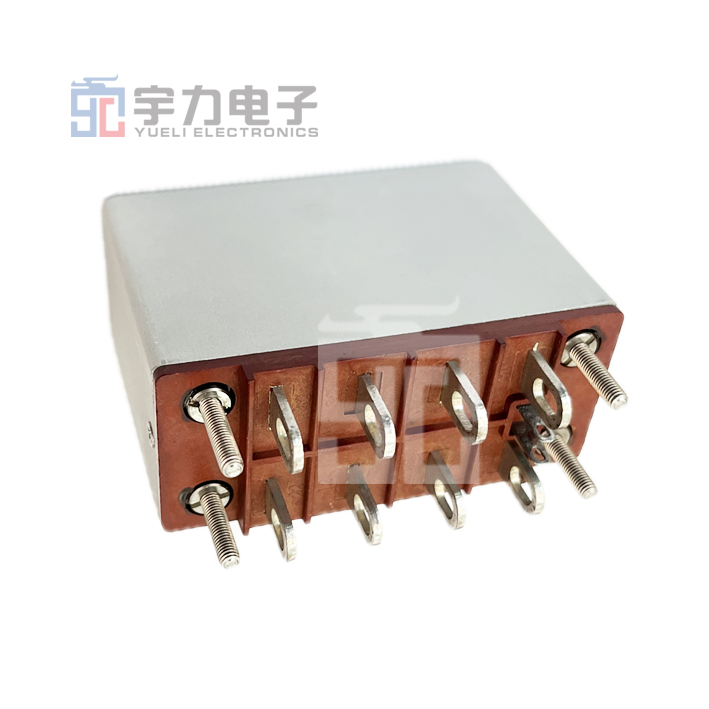
Polarized Relays: Bridging the Gap in Circuit Reliability
Table of Contents
1. Understanding Polarized Relays
2. The Mechanism Behind Polarized Relays
3. Advantages of Using Polarized Relays
4. Types of Polarized Relays
4.1 Electromechanical Polarized Relays
4.2 Solid-State Polarized Relays
5. Applications of Polarized Relays in Various Industries
5.1 Automotive Applications
5.2 Telecommunications
5.3 Industrial Automation
6. Best Practices for Integrating Polarized Relays
7. Troubleshooting Common Issues with Polarized Relays
8. Frequently Asked Questions (FAQs)
9. Conclusion
1. Understanding Polarized Relays
Polarized relays are essential components in electronic circuits, designed to provide enhanced reliability and control. Unlike standard relays, polarized relays have a magnetically polarized coil that allows them to maintain their position even when power is removed. This unique feature makes them particularly valuable in applications requiring consistent performance over time.
2. The Mechanism Behind Polarized Relays
The core principle of polarized relays lies in their electromagnetic mechanism. When a voltage is applied, the coil generates a magnetic field that attracts the armature, completing the circuit. The polarized design means that, once engaged, the relay can sustain its connection due to the magnetic field's inherent characteristics, ensuring that the circuit remains closed during brief power interruptions.
3. Advantages of Using Polarized Relays
**Polarized relays** provide several advantages over traditional relays, including:
- **Enhanced Reliability**: Their ability to hold a position without continuous power makes them ideal for critical applications.
- **Low Power Consumption**: Since polarized relays can maintain their state without constant energy, they are more efficient.
- **Fast Switching Times**: They can operate quickly, which is crucial in high-speed applications.
- **Reduced Contact Bounce**: Minimizing contact bounce enhances the longevity of the relay and the overall system reliability.
4. Types of Polarized Relays
Understanding the different types of polarized relays can help in selecting the right one for your application.
4.1 Electromechanical Polarized Relays
Electromechanical polarized relays utilize physical moving parts to effectuate switching. While they are robust, they do have mechanical wear over time. They are commonly used in environments where reliability is paramount, such as in aviation electronics and industrial controls.
4.2 Solid-State Polarized Relays
Solid-state polarized relays use semiconductor technology to perform switching without moving parts. This results in virtually no mechanical wear, leading to longer life spans and higher reliability, particularly in applications where space and weight are critical considerations.
5. Applications of Polarized Relays in Various Industries
Polarized relays find applications across numerous industries due to their reliability and efficiency.
5.1 Automotive Applications
In the automotive sector, polarized relays are utilized for functions such as lighting control and power distribution systems. Their reliability is crucial for safety features, where failure could have severe consequences.
5.2 Telecommunications
Telecommunications networks rely on polarized relays for switching and routing signals. Their ability to maintain states during power fluctuations ensures uninterrupted service, a critical requirement in this fast-paced industry.
5.3 Industrial Automation
In industrial automation, polarized relays are used in control systems and machinery operations. Their reliability and low power consumption make them ideal for maintaining the efficiency and performance of automated processes.
6. Best Practices for Integrating Polarized Relays
When integrating polarized relays into your systems, consider the following best practices:
- **Proper Sizing**: Ensure the relay is appropriately sized for the load requirements of the circuit.
- **Temperature Ratings**: Choose relays rated for the maximum ambient temperature in which they will operate to prevent failure.
- **Circuit Protection**: Implement fuses or circuit breakers to protect against overcurrent situations that could damage the relay.
- **Regular Testing**: Routine testing can catch potential issues before they lead to failure, ensuring the longevity of the circuit.
7. Troubleshooting Common Issues with Polarized Relays
Even with their reliability, polarized relays can experience issues such as:
- **Failure to Engage**: This can occur due to insufficient voltage. Check the supply voltage against the relay specifications.
- **Sticking Contacts**: Over time, contacts may stick due to corrosion or wear. Regular maintenance can help mitigate this issue.
- **Inconsistent Operation**: This may result from fluctuations in the supply voltage or a malfunctioning coil. Inspect the entire circuit for potential faults.
8. Frequently Asked Questions (FAQs)
**Q1: How does a polarized relay differ from a regular relay?**
A1: Polarized relays maintain their state even when power is removed, while regular relays require continuous power to remain engaged.
**Q2: What are the typical voltage ratings for polarized relays?**
A2: Voltage ratings can vary widely, typically from 5V to 240V, depending on the relay's design and application.
**Q3: Can polarized relays be used in DC circuits?**
A3: Yes, polarized relays are suitable for both AC and DC circuits, but it is crucial to select the appropriate type for the specific application.
**Q4: What maintenance do polarized relays require?**
A4: Regular inspection and cleaning of contacts, as well as voltage checks, can help maintain optimal performance.
**Q5: Are polarized relays safe to use?**
A5: When used within their specified ratings and applications, polarized relays are safe and reliable components.
9. Conclusion
In summary, **polarized relays** play a vital role in ensuring circuit reliability and performance across various industries. By understanding their mechanisms, advantages, and applications, we can make informed decisions when integrating them into electronic systems. With proper maintenance and troubleshooting, polarized relays can provide dependable service, bridging the gap in circuit reliability and enhancing the performance of modern technology. Emphasizing their importance and utility will help in harnessing their full potential in both current and future applications.
Xi'an Yuli Electronic Technology Co., Ltd.
Whats App:+8618122061211

Message consultation
Note: Please leave your contact information and our professionals will contact you as soon as possible!