Welcome to the official website of Xi'an Yuli Electronic Technology Co., Ltd.


The Future of Three Phase Contactors in Smart Grids: A Comprehensive Guide
2026-04-16
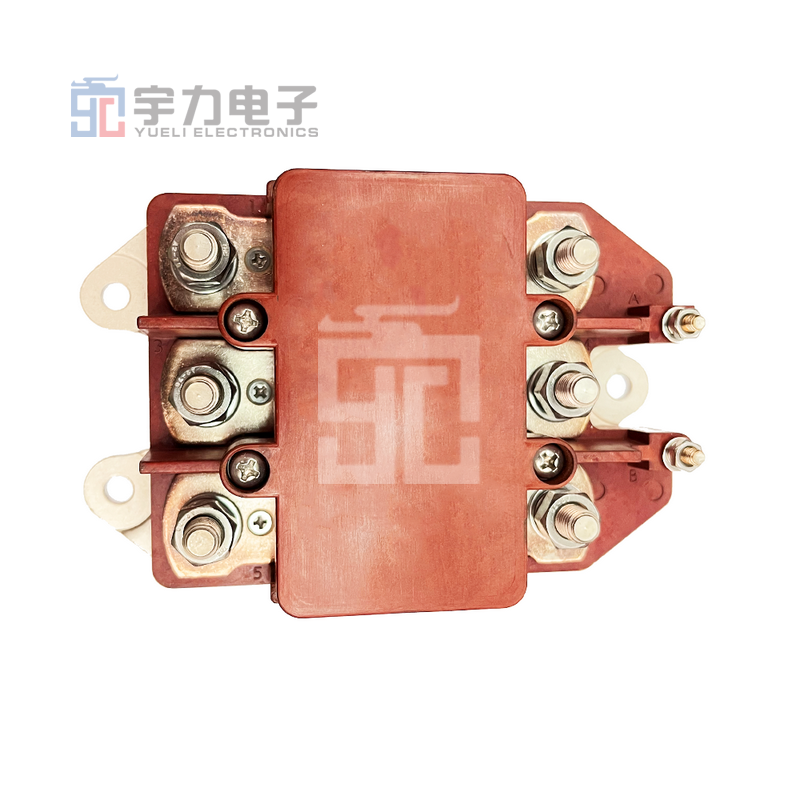
The Future of Three Phase Contactors in Smart Grids
Table of Contents
- 1. Introduction to Three Phase Contactors
- 2. Understanding Smart Grids and Their Importance
- 3. The Role of Three Phase Contactors in Smart Grids
- 4. Technological Advancements in Contactors
- 5. Applications of Three Phase Contactors in Smart Grids
- 6. Challenges and Solutions in Implementing Contactors
- 7. Future Trends in Three Phase Contactors
- 8. Conclusion
- 9. FAQs
1. Introduction to Three Phase Contactors
Three phase contactors are essential components in the electrical systems that manage and control the operation of motors and other equipment. They serve as an interface between the power supply and the end-use devices, ensuring safe and efficient operation. As energy demands grow and technology evolves, the role of three phase contactors is becoming increasingly pivotal, particularly in the context of smart grids.
2. Understanding Smart Grids and Their Importance
Smart grids are modernized electrical grids that leverage digital technology to optimize the generation, distribution, and consumption of electricity. They enhance the efficiency, reliability, and sustainability of energy systems. Key features of smart grids include real-time monitoring, automated control, and improved communication between utility providers and consumers.
The integration of renewable energy sources, energy storage solutions, and electric vehicles into the energy landscape necessitates a shift from traditional grids to smarter alternatives. In this context, three phase contactors play a critical role in managing the complexities of these advanced power systems.
3. The Role of Three Phase Contactors in Smart Grids
Three phase contactors act as automatic switches that control the flow of electricity in three-phase systems. They are crucial for:
- **Load Management**: They enable the efficient management of power loads, optimizing energy distribution based on real-time demand.
- **Motor Control**: In industrial applications, contactors facilitate the safe control of motors, ensuring reliable operation and protection against overloads.
- **Fault Isolation**: In smart grids, contactors can isolate faults, protecting equipment from damage and maintaining grid stability.
As smart grids continue to evolve, the role of three phase contactors will expand, highlighting their importance in enhancing operational efficiency and reliability.
4. Technological Advancements in Contactors
Recent technological advancements have significantly enhanced the functionality of three phase contactors. Key developments include:
- **Smart Contactors**: These devices are equipped with sensors and communication capabilities, allowing for real-time monitoring and control.
- **Solid-State Contactors**: Unlike traditional electromechanical contactors, solid-state versions offer faster switching times, increased lifespan, and reduced electromagnetic interference.
- **Integration with IoT**: The Internet of Things (IoT) has led to the development of smart contactors that can communicate with other devices in the grid, facilitating enhanced data analysis and decision-making.
These advancements not only improve performance but also contribute to the overall sustainability of smart grids.
5. Applications of Three Phase Contactors in Smart Grids
Three phase contactors find diverse applications within smart grids, including:
- **Industrial Automation**: In manufacturing, contactors control machinery and equipment, improving operational efficiency and safety.
- **Renewable Energy Systems**: They manage the connection between renewable energy sources (like solar and wind) and the grid, ensuring stable power supply.
- **Electric Vehicle Charging**: As electric vehicles become more prevalent, contactors facilitate the safe and efficient charging of these vehicles, integrating them into the smart grid.
These applications showcase the versatility of three phase contactors and their vital role in modern energy systems.
6. Challenges and Solutions in Implementing Contactors
While three phase contactors are integral to smart grids, several challenges can arise during their implementation:
- **Compatibility Issues**: Integrating new contactor technologies with existing infrastructure can be complex. Solutions include phased implementation and thorough testing.
- **Cost Considerations**: The initial investment for advanced contactors may be high. However, their long-term efficiency and reliability often justify the cost.
- **Cybersecurity Risks**: As contactors become smarter and more connected, they may be vulnerable to cyber threats. Employing robust cybersecurity measures is essential to protect grid infrastructure.
Addressing these challenges through innovative solutions will be crucial for the successful integration of three phase contactors into smart grids.
7. Future Trends in Three Phase Contactors
The future of three phase contactors in smart grids is promising, driven by several emerging trends:
- **Increased Automation**: As automation technologies advance, contactors will become more autonomous, requiring less human intervention while enhancing operational efficiency.
- **Enhanced Energy Storage Solutions**: The development of advanced energy storage technologies will necessitate more sophisticated contactor systems capable of managing and regulating stored energy.
- **Sustainability Focus**: With a growing emphasis on sustainability, the design and manufacturing of contactors will increasingly prioritize eco-friendly materials and processes.
These trends indicate a shift towards more intelligent and sustainable energy management systems, positioning three phase contactors as key players in the energy landscape.
8. Conclusion
The future of three phase contactors in smart grids is marked by innovation, efficiency, and sustainability. As the energy landscape evolves, these components will play a crucial role in enhancing the performance and reliability of electrical systems. By embracing technological advancements and addressing implementation challenges, the integration of three phase contactors into smart grids will pave the way for a more efficient and resilient energy future.
9. FAQs
What are the main functions of three phase contactors?
Three phase contactors primarily control the flow of electrical energy to motors and other devices, manage load distribution, and isolate faults within electrical systems.
How do smart contactors differ from traditional contactors?
Smart contactors are equipped with sensors and communication capabilities, allowing for real-time monitoring and control, while traditional contactors operate mainly through electromechanical components.
What challenges do three phase contactors face in smart grids?
Challenges include compatibility with existing infrastructure, cost of advanced technologies, and cybersecurity risks associated with increased connectivity.
How can three phase contactors improve energy efficiency?
By optimizing load management and enabling faster response times to changing energy demands, three phase contactors can significantly enhance the efficiency of electrical systems.
What trends are shaping the future of three phase contactors?
Key trends include increased automation, enhanced energy storage solutions, and a focus on sustainability in design and manufacturing practices.
This comprehensive guide on the future of three phase contactors in smart grids illustrates their indispensable role in the energy sector, addressing current challenges while paving the way for a more sustainable future.
Xi'an Yuli Electronic Technology Co., Ltd.
Whats App:+8618122061211

Message consultation
Note: Please leave your contact information and our professionals will contact you as soon as possible!