Welcome to the official website of Xi'an Yuli Electronic Technology Co., Ltd.


Understanding Electromagnetic Contactors: Key Components and Applications
2026-04-17
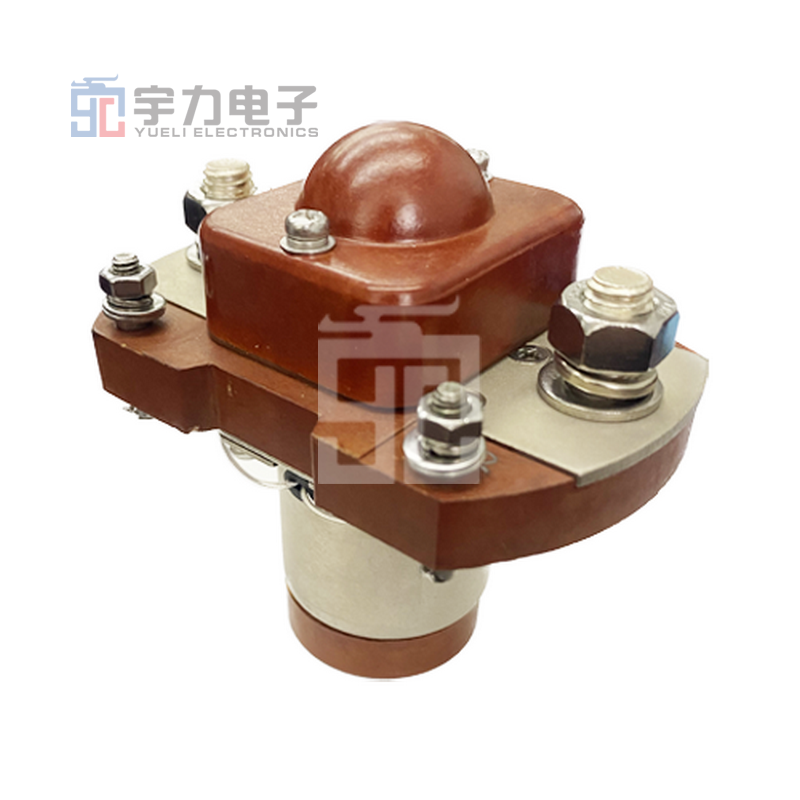
Electromagnetic contactors are vital components in electrical control systems, serving as switches that utilize electromagnetism to control the flow of electricity. They are commonly employed in industrial automation, motor control, and lighting applications, among others. Understanding the intricacies of electromagnetic contactors is essential for professionals in the electronic components industry, particularly those dealing with contactors.
At the core of an electromagnetic contactor is its electromagnetic coil. When electrical current passes through this coil, it generates a magnetic field, which attracts a movable armature. This armature is connected to a set of contacts, either normally open (NO) or normally closed (NC). When the armature is attracted, the contacts change state, allowing or interrupting the flow of electricity to the load. This fundamental operation makes contactors essential in controlling high-power devices safely and efficiently.
The design of electromagnetic contactors is crucial for their performance and reliability. They typically feature durable materials capable of withstanding high currents and voltages. The choice of materials, such as copper for the coil and silver or gold for the contacts, impacts the contactor's efficiency, lifespan, and overall effectiveness. Additionally, thermal management must be considered, as excessive heat generated during operation can lead to premature failure.
Electromagnetic contactors are available in various configurations to suit different applications. For instance, three-phase contactors are commonly used in motor control applications, while single-phase contactors are often found in lighting circuits. Understanding the specific requirements of each application can guide professionals in selecting the appropriate type of contactor, ensuring optimal performance and safety.
In terms of control circuits, electromagnetic contactors can be coupled with overload relays to provide additional protection for motors. When an overload condition occurs, the relay disconnects the contactor, preventing damage to the motor. This integration enhances the reliability of electrical systems and ensures compliance with safety standards.
Furthermore, advancements in technology have led to the development of smart contactors that integrate with digital control systems. These smart devices offer remote monitoring, diagnostics, and control capabilities, allowing for enhanced efficiency and reduced downtime in industrial operations.
In summary, electromagnetic contactors play a pivotal role in modern electrical systems. Their ability to control high-power devices reliably and efficiently makes them indispensable in various applications. By understanding the components, operational mechanisms, and advancements in technology, professionals can better appreciate the significance of electromagnetic contactors in the electronic components industry.
At the core of an electromagnetic contactor is its electromagnetic coil. When electrical current passes through this coil, it generates a magnetic field, which attracts a movable armature. This armature is connected to a set of contacts, either normally open (NO) or normally closed (NC). When the armature is attracted, the contacts change state, allowing or interrupting the flow of electricity to the load. This fundamental operation makes contactors essential in controlling high-power devices safely and efficiently.
The design of electromagnetic contactors is crucial for their performance and reliability. They typically feature durable materials capable of withstanding high currents and voltages. The choice of materials, such as copper for the coil and silver or gold for the contacts, impacts the contactor's efficiency, lifespan, and overall effectiveness. Additionally, thermal management must be considered, as excessive heat generated during operation can lead to premature failure.
Electromagnetic contactors are available in various configurations to suit different applications. For instance, three-phase contactors are commonly used in motor control applications, while single-phase contactors are often found in lighting circuits. Understanding the specific requirements of each application can guide professionals in selecting the appropriate type of contactor, ensuring optimal performance and safety.
In terms of control circuits, electromagnetic contactors can be coupled with overload relays to provide additional protection for motors. When an overload condition occurs, the relay disconnects the contactor, preventing damage to the motor. This integration enhances the reliability of electrical systems and ensures compliance with safety standards.
Furthermore, advancements in technology have led to the development of smart contactors that integrate with digital control systems. These smart devices offer remote monitoring, diagnostics, and control capabilities, allowing for enhanced efficiency and reduced downtime in industrial operations.
In summary, electromagnetic contactors play a pivotal role in modern electrical systems. Their ability to control high-power devices reliably and efficiently makes them indispensable in various applications. By understanding the components, operational mechanisms, and advancements in technology, professionals can better appreciate the significance of electromagnetic contactors in the electronic components industry.
Previous:
Xi'an Yuli Electronic Technology Co., Ltd.
Whats App:+8618122061211

Message consultation
Note: Please leave your contact information and our professionals will contact you as soon as possible!