Welcome to the official website of Xi'an Yuli Electronic Technology Co., Ltd.


Everything You Need to Know About DC Contactors: A Comprehensive Guide
2026-04-19
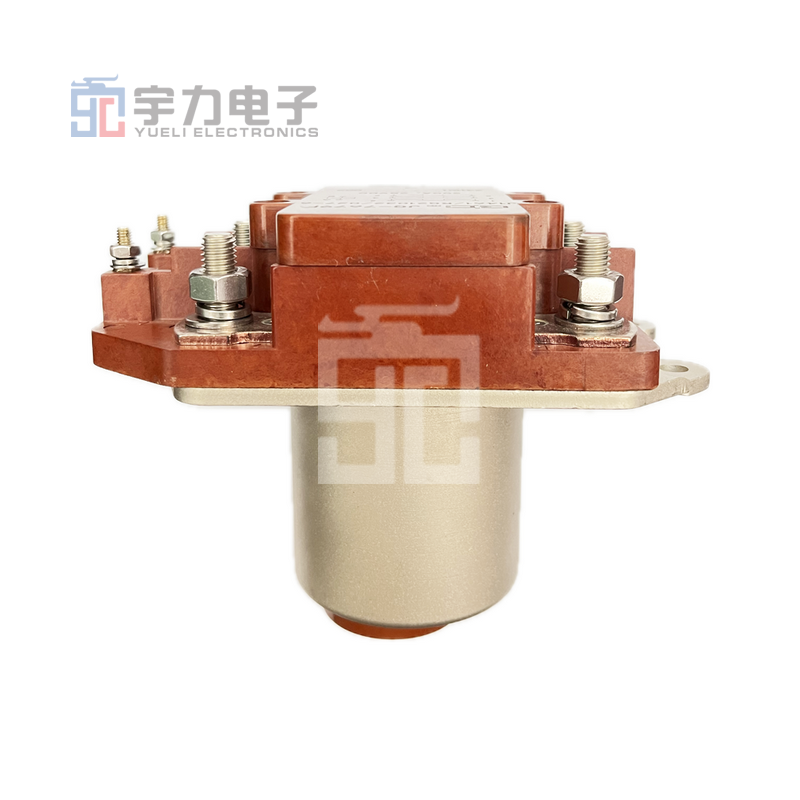
DC contactors are electromechanical devices used to control the flow of direct current (DC) in electrical circuits. They function similarly to relays but are specifically designed to handle higher currents and voltages associated with DC applications. Understanding the principles and operations of DC contactors is crucial for engineers, technicians, and anyone involved in electrical design and maintenance.
One of the primary roles of a DC contactor is to open or close a circuit, allowing or interrupting the flow of electricity. This action is typically controlled by an electromagnetic coil that, when energized, creates a magnetic field, pulling the contact arm to close the circuit. When the coil is de-energized, the contact arm returns to its original position, opening the circuit. This mechanism ensures that DC contactors can manage the demands of various electrical loads effectively.
DC contactors are widely utilized in numerous applications, ranging from industrial machinery and automotive systems to renewable energy systems like solar inverters and wind turbines. Their ability to handle high inrush currents makes them particularly valuable in applications where devices require a substantial amount of power to start. Additionally, DC contactors are often integrated into control circuits for motors, heating systems, and battery management systems, providing robust control and automation capabilities.
When selecting a DC contactor, several factors should be considered to ensure optimal performance. The voltage and current ratings are critical, as they must match the specifications of the application. Environmental conditions, such as temperature, humidity, and potential exposure to dust or moisture, can also influence the choice of contactor. For instance, some DC contactors are designed with sealed enclosures to protect against contaminants, making them suitable for harsher environments.
Another essential aspect to consider is the coil voltage. The coil voltage must be compatible with the control system used to operate the contactor. Proper selection ensures reliable operation and prevents premature failure of the device. Additionally, the contact material and configuration can impact the overall performance and longevity of the contactor, so it’s vital to evaluate these factors based on the specific requirements of your application.
In conclusion, DC contactors play a pivotal role in managing direct current in various electronic applications. By understanding their functionality, applications, and selection criteria, you can make informed decisions when integrating these components into your projects. This knowledge not only enhances the reliability of your electrical systems but also contributes to the overall efficiency and performance of your applications.
One of the primary roles of a DC contactor is to open or close a circuit, allowing or interrupting the flow of electricity. This action is typically controlled by an electromagnetic coil that, when energized, creates a magnetic field, pulling the contact arm to close the circuit. When the coil is de-energized, the contact arm returns to its original position, opening the circuit. This mechanism ensures that DC contactors can manage the demands of various electrical loads effectively.
DC contactors are widely utilized in numerous applications, ranging from industrial machinery and automotive systems to renewable energy systems like solar inverters and wind turbines. Their ability to handle high inrush currents makes them particularly valuable in applications where devices require a substantial amount of power to start. Additionally, DC contactors are often integrated into control circuits for motors, heating systems, and battery management systems, providing robust control and automation capabilities.
When selecting a DC contactor, several factors should be considered to ensure optimal performance. The voltage and current ratings are critical, as they must match the specifications of the application. Environmental conditions, such as temperature, humidity, and potential exposure to dust or moisture, can also influence the choice of contactor. For instance, some DC contactors are designed with sealed enclosures to protect against contaminants, making them suitable for harsher environments.
Another essential aspect to consider is the coil voltage. The coil voltage must be compatible with the control system used to operate the contactor. Proper selection ensures reliable operation and prevents premature failure of the device. Additionally, the contact material and configuration can impact the overall performance and longevity of the contactor, so it’s vital to evaluate these factors based on the specific requirements of your application.
In conclusion, DC contactors play a pivotal role in managing direct current in various electronic applications. By understanding their functionality, applications, and selection criteria, you can make informed decisions when integrating these components into your projects. This knowledge not only enhances the reliability of your electrical systems but also contributes to the overall efficiency and performance of your applications.
Xi'an Yuli Electronic Technology Co., Ltd.
Whats App:+8618122061211

Message consultation
Note: Please leave your contact information and our professionals will contact you as soon as possible!