Welcome to the official website of Xi'an Yuli Electronic Technology Co., Ltd.


Essential Electromagnetic Relay Maintenance Tips for Longevity
2026-04-20
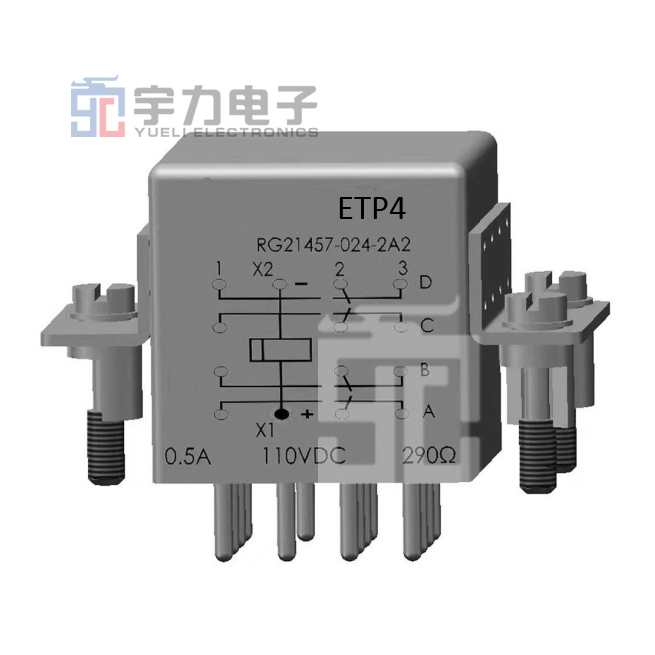
Essential Electromagnetic Relay Maintenance Tips for Longevity
Table of Contents
- Introduction to Electromagnetic Relays
- Understanding Electromagnetic Relays
- Importance of Regular Maintenance
- Essential Maintenance Tips for Electromagnetic Relays
- 1. Conducting Regular Visual Inspections
- 2. Properly Cleaning Relays
- 3. Regular Testing and Calibration
- 4. Monitoring Relay Performance
- 5. Managing Environmental Factors
- Common Issues and Troubleshooting
- Frequently Asked Questions (FAQs)
- Conclusion
Introduction to Electromagnetic Relays
Electromagnetic relays are crucial components in electronic circuits, serving as switches that control the flow of electricity. These devices rely on an electromagnetic coil to move an armature, which in turn opens or closes contacts. Due to their significant role, **ensuring the longevity** of electromagnetic relays is paramount for maintaining the reliability and efficiency of electronic systems. In this article, we will explore essential maintenance tips that can enhance the performance and lifespan of these pivotal components.
Understanding Electromagnetic Relays
To effectively maintain electromagnetic relays, it is essential to understand their construction and function. An electromagnetic relay typically consists of the following components:
- **Coil**: Generates a magnetic field when electrical current flows through it.
- **Armature**: A movable part that is influenced by the magnetic field, enabling the opening and closing of contacts.
- **Contacts**: Conduct the electricity and connect or disconnect the circuit.
- **Spring**: Returns the armature to its original position when the coil is de-energized.
Each of these elements plays a vital role in the relay's operation, and any failure in these components can lead to malfunction. Thus, regular maintenance is necessary to ensure optimal functionality.
Importance of Regular Maintenance
Regular maintenance of electromagnetic relays is not merely a good practice; it is essential for preventing unexpected breakdowns and extending the service life of the devices. **Neglecting maintenance** can lead to several issues, including:
- Increased risk of relay failure
- Reduced efficiency and performance
- Higher operational costs due to frequent replacements
- Safety hazards in electrical systems
By implementing a robust maintenance program, we can significantly reduce the chances of these problems occurring.
Essential Maintenance Tips for Electromagnetic Relays
To ensure the longevity and proper functioning of electromagnetic relays, we must follow these essential maintenance tips:
1. Conducting Regular Visual Inspections
Regular visual inspections are the first line of defense against potential issues in electromagnetic relays. During these inspections, look for:
- Signs of wear and tear on the relay housing
- Corrosion on contacts
- Loose or damaged wiring connections
- Any physical deformation of the components
These visual cues can provide early warnings of potential failures, allowing for timely intervention.
2. Properly Cleaning Relays
Dust and debris can accumulate within electromagnetic relays, adversely affecting their operation. Establish a routine cleaning schedule that includes the following steps:
- **Disconnect Power**: Always ensure that the relay is powered off before cleaning.
- **Use Appropriate Cleaners**: Utilize suitable cleaning solutions to remove contaminants without damaging components.
- **Air Blasting**: Use compressed air to blow out dust and dirt from hard-to-reach areas.
- **Dry Thoroughly**: Ensure that all moisture is removed before reconnecting the relay to power.
Regular cleaning helps maintain contact integrity and improves the relay's responsiveness.
3. Regular Testing and Calibration
Testing and calibration are critical for ensuring that electromagnetic relays function correctly. We recommend the following practices:
- **Functional Testing**: Regularly activate the relay to ensure it opens and closes contacts effectively.
- **Calibration Checks**: Periodically check the relay's activation voltage and adjust if necessary to align with specifications.
- **Load Testing**: Assess the relay's performance under load conditions to verify its operational reliability.
These measures help identify potential issues before they escalate into significant problems.
4. Monitoring Relay Performance
Implementing a monitoring system allows for continuous assessment of relay performance. Key performance indicators to track include:
- **Response Time**: Measure the time it takes for the relay to activate and deactivate.
- **Contact Resistance**: Regularly check the resistance of relay contacts to ensure they are within acceptable limits.
- **Operating Temperature**: Monitor the temperature of the relay to detect overheating, which can lead to premature failure.
Consistent monitoring enables proactive maintenance and troubleshooting efforts.
5. Managing Environmental Factors
Environmental factors play a significant role in the longevity of electromagnetic relays. Here are crucial considerations:
- **Temperature Control**: Maintain operating temperatures within the manufacturer's recommended range to prevent overheating.
- **Humidity Management**: Ensure that the environment is not excessively humid or dry, as both conditions can affect relay performance.
- **Protection from Contaminants**: Use enclosures to protect relays from dust, moisture, and corrosive substances.
By controlling these environmental factors, we can enhance the lifespan of electromagnetic relays.
Common Issues and Troubleshooting
Despite regular maintenance, electromagnetic relays may still encounter issues. Here are some common problems and their solutions:
- **Failure to Activate**: This may be caused by a faulty coil or poor electrical connections. Test the coil and inspect wiring for integrity.
- **Sticking Contacts**: Contamination or corrosion can cause contacts to stick. Cleaning or replacing the contacts may be necessary.
- **Overheating**: Excessive heat can result from prolonged operation or insufficient ventilation. Ensure that the relay is rated for the load and provide adequate cooling.
Understanding these common issues allows for quicker troubleshooting and resolution, minimizing downtime.
Frequently Asked Questions (FAQs)
1. How often should I perform maintenance on electromagnetic relays?
We recommend conducting maintenance checks every three to six months, depending on usage and environmental conditions.
2. What are the signs that my electromagnetic relay may need replacement?
If you notice persistent activation issues, unusual noises, or visible signs of damage, it may be time to consider replacement.
3. Can I clean an electromagnetic relay with alcohol or solvents?
It is advisable to use cleaners specifically designed for electronic components to avoid damage.
4. What is the typical lifespan of an electromagnetic relay?
The lifespan of an electromagnetic relay can vary significantly, but many can last anywhere from 5 to 10 years with proper maintenance.
5. How do I choose the right relay for my application?
Consider the voltage, current rating, and intended application environment when selecting a relay to ensure optimal performance.
Conclusion
Maintaining electromagnetic relays is crucial for ensuring their longevity and performance. By implementing regular visual inspections, cleaning, testing, monitoring, and managing environmental factors, we can significantly enhance the reliability of these essential components in electronic systems. Understanding common issues and their solutions further empowers us to take proactive steps toward effective maintenance. With these best practices, we can ensure that electromagnetic relays continue to operate efficiently, reducing the likelihood of failures and extending their service life.
Xi'an Yuli Electronic Technology Co., Ltd.
Whats App:+8618122061211

Message consultation
Note: Please leave your contact information and our professionals will contact you as soon as possible!