Welcome to the official website of Xi'an Yuli Electronic Technology Co., Ltd.


Understanding High Power Relays: Essential Insights for Electronic Component Applications
2026-04-21
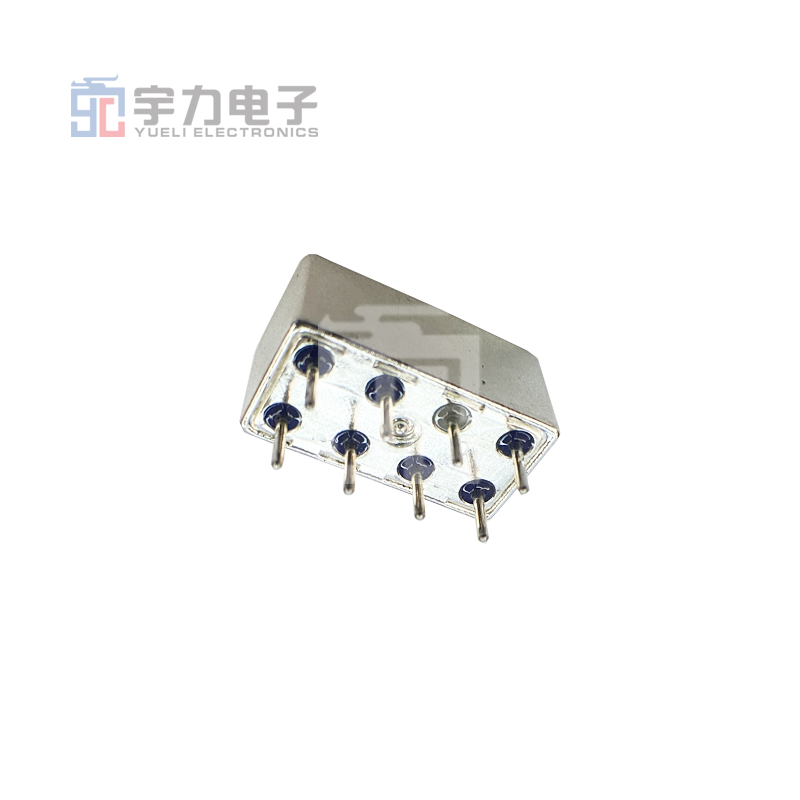
High power relays are essential components in the electronic component industry, particularly within the realm of relays and other electrical switching devices. These relays are specifically designed to handle high voltage and high current loads, making them an indispensable choice for various applications, including industrial automation, automotive systems, and power management.
A high power relay functions as an electrically operated switch that can open and close circuits. When a small control current flows through the relay's coil, it generates a magnetic field that actuates a movable armature. This movement either establishes or interrupts the connection between the input and output circuits, allowing large loads to be controlled by low power signals. This function is particularly advantageous in settings where direct control of high power devices is impractical or unsafe.
One of the primary applications of high power relays is in industrial machinery, where they are used to control motors, heaters, and other high load devices. In these environments, reliability and durability are paramount, as failure could lead to significant downtime or safety hazards. The robust design of high power relays ensures they can withstand the demanding conditions often found in industrial applications, providing peace of mind to operators and engineers alike.
Additionally, high power relays are commonly employed in automotive applications. They are utilized to manage various systems, such as headlights, fuel pumps, and other critical components. The ability to control these systems with a high power relay allows for efficient operation and helps in enhancing the overall performance of vehicles.
Another key benefit of using high power relays is their capability to provide electrical isolation between the control circuit and the high power load. This isolation offers protection to sensitive components in the control circuit from voltage spikes and surges, thereby extending their lifespan and reliability.
In terms of selection, it's crucial to consider specifications such as contact rating, switching voltage, response time, and operating temperature range. Understanding these parameters will enable you to choose the right high power relay for your specific needs, ensuring optimal performance and safety.
In conclusion, high power relays are a critical element in modern electronic systems. Their ability to manage high voltage and current loads safely and efficiently makes them a preferred choice in numerous applications, from industrial machinery to automotive systems. By understanding how these relays operate and their applications, you can make informed decisions in your projects and enhance the reliability of your electronic systems. Always remember to assess your requirements carefully when selecting a high power relay to ensure compatibility and performance.
A high power relay functions as an electrically operated switch that can open and close circuits. When a small control current flows through the relay's coil, it generates a magnetic field that actuates a movable armature. This movement either establishes or interrupts the connection between the input and output circuits, allowing large loads to be controlled by low power signals. This function is particularly advantageous in settings where direct control of high power devices is impractical or unsafe.
One of the primary applications of high power relays is in industrial machinery, where they are used to control motors, heaters, and other high load devices. In these environments, reliability and durability are paramount, as failure could lead to significant downtime or safety hazards. The robust design of high power relays ensures they can withstand the demanding conditions often found in industrial applications, providing peace of mind to operators and engineers alike.
Additionally, high power relays are commonly employed in automotive applications. They are utilized to manage various systems, such as headlights, fuel pumps, and other critical components. The ability to control these systems with a high power relay allows for efficient operation and helps in enhancing the overall performance of vehicles.
Another key benefit of using high power relays is their capability to provide electrical isolation between the control circuit and the high power load. This isolation offers protection to sensitive components in the control circuit from voltage spikes and surges, thereby extending their lifespan and reliability.
In terms of selection, it's crucial to consider specifications such as contact rating, switching voltage, response time, and operating temperature range. Understanding these parameters will enable you to choose the right high power relay for your specific needs, ensuring optimal performance and safety.
In conclusion, high power relays are a critical element in modern electronic systems. Their ability to manage high voltage and current loads safely and efficiently makes them a preferred choice in numerous applications, from industrial machinery to automotive systems. By understanding how these relays operate and their applications, you can make informed decisions in your projects and enhance the reliability of your electronic systems. Always remember to assess your requirements carefully when selecting a high power relay to ensure compatibility and performance.
Xi'an Yuli Electronic Technology Co., Ltd.
Whats App:+8618122061211

Message consultation
Note: Please leave your contact information and our professionals will contact you as soon as possible!