Welcome to the official website of Xi'an Yuli Electronic Technology Co., Ltd.


Understanding DC Contactors: A Key Component in Electronic Circuits
2026-05-13
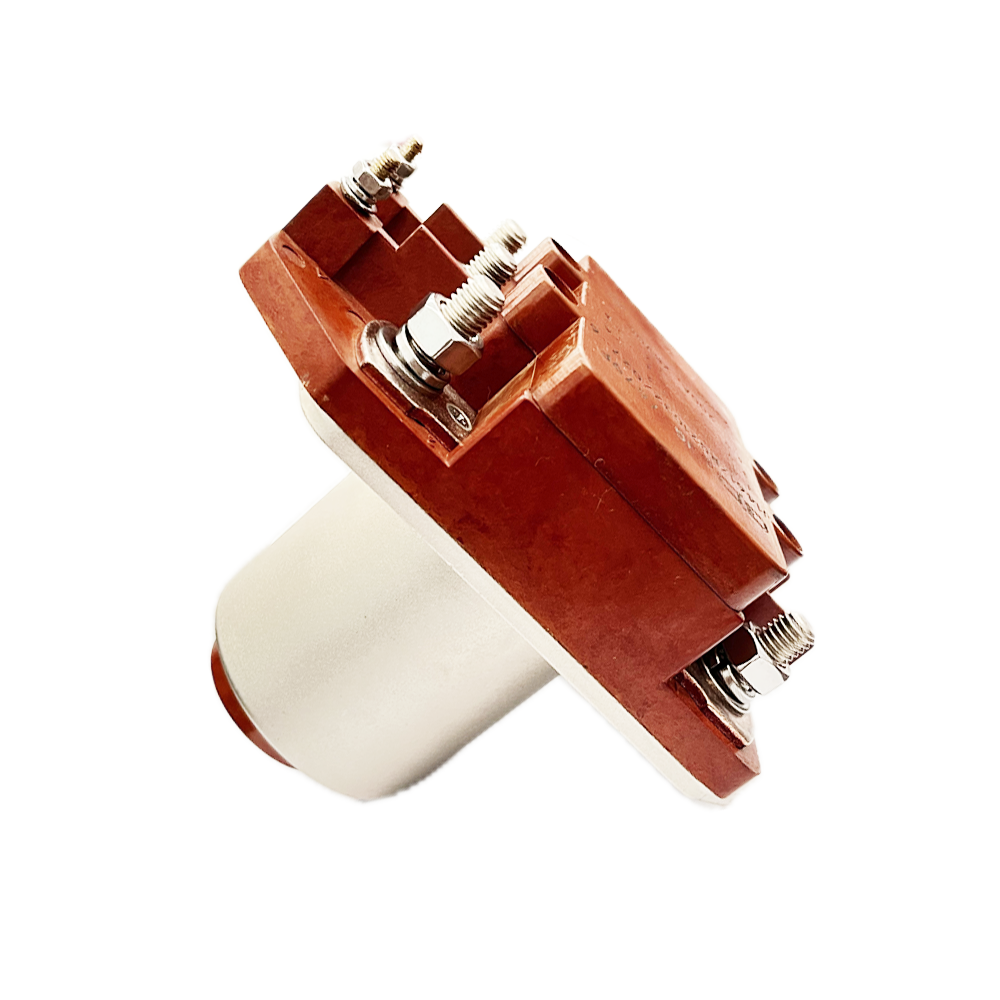
DC contactors are vital components in the realm of electronic devices, especially when it comes to managing power circuits. These electromechanical switches are designed to control the flow of direct current (DC), enabling or disabling the power supply to various electrical loads. Understanding the operation and features of DC contactors can significantly enhance the efficiency of your electrical systems, making them a crucial element in numerous applications.
A DC contactor typically consists of an electromagnetic coil, moving armature, and contacts. When a voltage is applied to the coil, it generates a magnetic field that pulls the armature towards the coil, thereby closing the contacts. This action allows current to flow through the circuit, powering the connected devices. Conversely, when the voltage is removed, the magnetic field collapses, and a spring mechanism returns the armature to its original position, reopening the contacts and cutting off the current.
One of the key advantages of using DC contactors is their ability to handle high current loads without the risk of arcing. Unlike AC systems, DC circuits can experience significant arcing when contacts open or close due to the constant flow of current. DC contactors are designed with special contact materials and configurations to minimize this effect, ensuring longevity and reliability.
In terms of applications, DC contactors are widely utilized in various sectors, including renewable energy systems, electric vehicles, and industrial automation. For instance, in renewable energy systems, such as solar power installations, DC contactors can switch the current from solar panels to batteries or grid connections. In electric vehicles, they play a crucial role in controlling the high voltage systems that power the vehicle's electric motor.
When selecting a DC contactor for your application, consider factors such as the current and voltage ratings, coil voltage, and the environmental conditions in which it will operate. Additionally, ensure that the contactor you choose has the necessary certifications and meets safety standards for your specific application.
In summary, DC contactors are indispensable components in managing direct current circuits. Their capability to handle high loads while minimizing arcing makes them suitable for diverse applications, from renewable energy systems to industrial automation. By understanding their functionality and how to select the right model, you can enhance the performance and reliability of your electrical systems.
A DC contactor typically consists of an electromagnetic coil, moving armature, and contacts. When a voltage is applied to the coil, it generates a magnetic field that pulls the armature towards the coil, thereby closing the contacts. This action allows current to flow through the circuit, powering the connected devices. Conversely, when the voltage is removed, the magnetic field collapses, and a spring mechanism returns the armature to its original position, reopening the contacts and cutting off the current.
One of the key advantages of using DC contactors is their ability to handle high current loads without the risk of arcing. Unlike AC systems, DC circuits can experience significant arcing when contacts open or close due to the constant flow of current. DC contactors are designed with special contact materials and configurations to minimize this effect, ensuring longevity and reliability.
In terms of applications, DC contactors are widely utilized in various sectors, including renewable energy systems, electric vehicles, and industrial automation. For instance, in renewable energy systems, such as solar power installations, DC contactors can switch the current from solar panels to batteries or grid connections. In electric vehicles, they play a crucial role in controlling the high voltage systems that power the vehicle's electric motor.
When selecting a DC contactor for your application, consider factors such as the current and voltage ratings, coil voltage, and the environmental conditions in which it will operate. Additionally, ensure that the contactor you choose has the necessary certifications and meets safety standards for your specific application.
In summary, DC contactors are indispensable components in managing direct current circuits. Their capability to handle high loads while minimizing arcing makes them suitable for diverse applications, from renewable energy systems to industrial automation. By understanding their functionality and how to select the right model, you can enhance the performance and reliability of your electrical systems.
Xi'an Yuli Electronic Technology Co., Ltd.
Whats App:+8618122061211

Message consultation
Note: Please leave your contact information and our professionals will contact you as soon as possible!