Welcome to the official website of Xi'an Yuli Electronic Technology Co., Ltd.


Understanding Radio Frequency Relays: Key Insights and Applications
2026-05-13
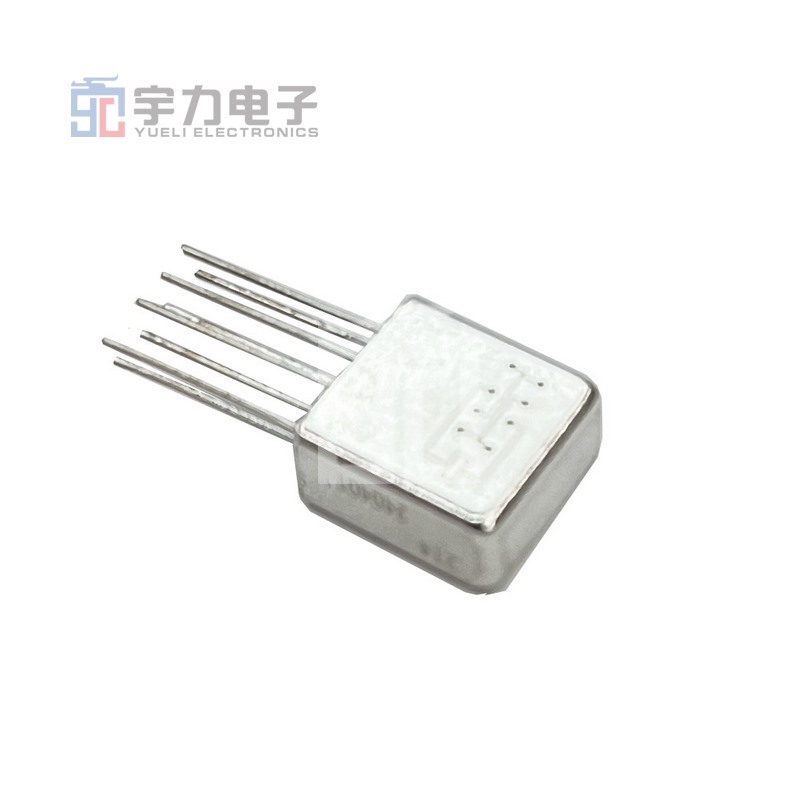
Radio frequency relays (RFRs) are specialized devices that enable the control and switching of circuits at radio frequencies. These relays play a crucial role in various applications, from telecommunications to industrial automation, due to their ability to handle high-frequency signals while ensuring minimal signal degradation.
One of the most notable features of radio frequency relays is their capacity to operate efficiently across a wide range of frequencies, typically from a few megahertz up to several gigahertz. This broad frequency range makes them highly versatile for applications such as wireless communication systems, remote control devices, and even sophisticated radar systems.
The construction of radio frequency relays often involves materials that can withstand the electromagnetic fields generated at high frequencies. Common designs may include electromechanical relays or solid-state relays, each offering distinct advantages. Electromechanical relays, for instance, provide robust switching capabilities and are suitable for higher power levels, while solid-state relays are known for their fast switching speeds and longevity, making them ideal for applications where rapid response times are essential.
When selecting a radio frequency relay, it is essential to consider factors such as switching speed, isolation, and insertion loss. The switching speed indicates how quickly the relay can change states, which is vital for applications requiring real-time data transmission. Isolation, on the other hand, refers to the ability of the relay to prevent unwanted interference between different circuits. Low insertion loss is also a significant factor since it directly affects the efficiency of signal transmission through the relay.
In addition to their technical specifications, radio frequency relays are also evaluated based on their reliability and environmental resistance. Many relays are designed to operate under harsh conditions, including extreme temperatures and humidity levels, ensuring that they maintain functionality in various environments.
Applications of radio frequency relays are diverse and continue to grow with advancements in technology. They are widely used in cellular communication systems, satellite communications, and even automotive applications like keyless entry systems. As modern technologies evolve, the demand for reliable and efficient radio frequency relays will likely increase, making it essential for professionals in the field to stay informed about the latest developments and best practices.
In summary, radio frequency relays are indispensable components in electronic systems, facilitating the seamless operation of high-frequency circuits. Understanding their functionality, specifications, and applications is critical for professionals seeking to optimize their use in various projects. Whether for telecommunications, industrial automation, or emerging technologies, radio frequency relays offer the capabilities necessary to meet the demands of modern electronic applications.
One of the most notable features of radio frequency relays is their capacity to operate efficiently across a wide range of frequencies, typically from a few megahertz up to several gigahertz. This broad frequency range makes them highly versatile for applications such as wireless communication systems, remote control devices, and even sophisticated radar systems.
The construction of radio frequency relays often involves materials that can withstand the electromagnetic fields generated at high frequencies. Common designs may include electromechanical relays or solid-state relays, each offering distinct advantages. Electromechanical relays, for instance, provide robust switching capabilities and are suitable for higher power levels, while solid-state relays are known for their fast switching speeds and longevity, making them ideal for applications where rapid response times are essential.
When selecting a radio frequency relay, it is essential to consider factors such as switching speed, isolation, and insertion loss. The switching speed indicates how quickly the relay can change states, which is vital for applications requiring real-time data transmission. Isolation, on the other hand, refers to the ability of the relay to prevent unwanted interference between different circuits. Low insertion loss is also a significant factor since it directly affects the efficiency of signal transmission through the relay.
In addition to their technical specifications, radio frequency relays are also evaluated based on their reliability and environmental resistance. Many relays are designed to operate under harsh conditions, including extreme temperatures and humidity levels, ensuring that they maintain functionality in various environments.
Applications of radio frequency relays are diverse and continue to grow with advancements in technology. They are widely used in cellular communication systems, satellite communications, and even automotive applications like keyless entry systems. As modern technologies evolve, the demand for reliable and efficient radio frequency relays will likely increase, making it essential for professionals in the field to stay informed about the latest developments and best practices.
In summary, radio frequency relays are indispensable components in electronic systems, facilitating the seamless operation of high-frequency circuits. Understanding their functionality, specifications, and applications is critical for professionals seeking to optimize their use in various projects. Whether for telecommunications, industrial automation, or emerging technologies, radio frequency relays offer the capabilities necessary to meet the demands of modern electronic applications.
Xi'an Yuli Electronic Technology Co., Ltd.
Whats App:+8618122061211

Message consultation
Note: Please leave your contact information and our professionals will contact you as soon as possible!