Welcome to the official website of Xi'an Yuli Electronic Technology Co., Ltd.


Understanding Signal Relays: Essential Components for Reliable Electronic Switching
2026-05-13
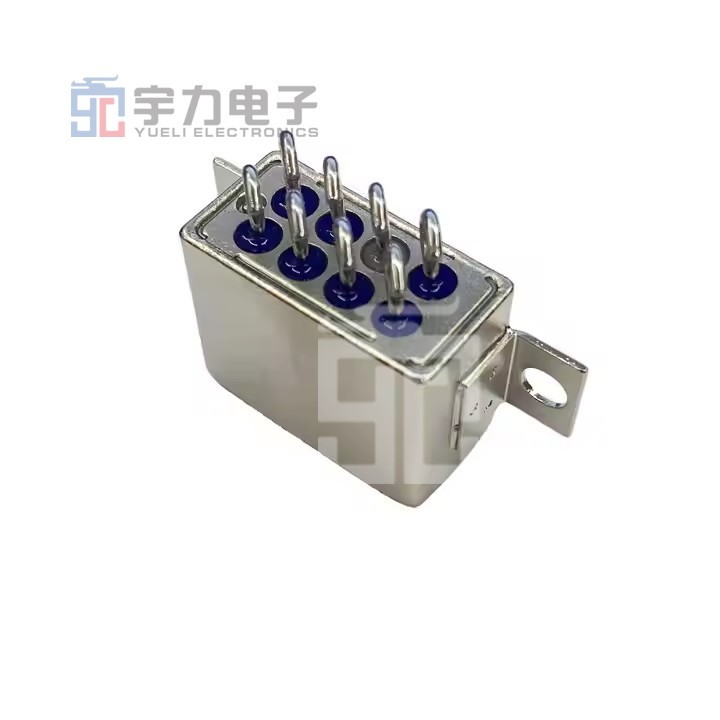
Signal relays are electromagnetic switches that allow one circuit to control another circuit, making them indispensable in many electronic applications. They act as a bridge between low-power control signals and high-power loads, ensuring that delicate electronic components can operate safely and efficiently. Understanding the operation and characteristics of signal relays can help engineers and designers optimize their electronic systems.
At the core of a signal relay's operation is an electromagnet. When a small control current flows through the relay's coil, it generates a magnetic field that attracts an armature, which then opens or closes the contacts of the relay. This simple yet effective mechanism allows for the control of larger currents and voltages without directly involving sensitive components, thereby enhancing the reliability and longevity of electronic devices.
Several types of signal relays are available, each tailored to specific applications. For example, electromagnetic relays are commonly used for their versatility and reliability in switching. Solid-state relays, on the other hand, offer faster switching times and longer lifespans due to their lack of mechanical parts. Knowing which type of signal relay to use depends on factors such as the desired switching speed, load requirements, and environmental conditions.
Signal relays find applications across various fields, including automotive systems, industrial automation, telecommunications, and consumer electronics. In automotive applications, they can control lighting, motors, and other high-power devices while ensuring that the vehicle's sensitive electronics remain unaffected. In industrial automation, signal relays facilitate the control of machinery and safety systems, ensuring seamless operation and efficiency.
One of the critical considerations when selecting a signal relay is its coil voltage and current rating. It’s essential to match these ratings with the circuit’s specifications to ensure proper operation and avoid potential failures. Additionally, switching capacity and contact configuration should align with the requirements of the application, ensuring the relay can handle the expected load without degradation over time.
In conclusion, understanding the role and function of signal relays is crucial for anyone involved in electronics and engineering. These components provide a reliable solution for managing high-power loads through low-power control signals, making them vital in many electronic designs. By selecting the appropriate type and specifications, designers can enhance the safety, efficiency, and performance of their systems, solidifying signal relays' position as key players in the electronic component landscape.
At the core of a signal relay's operation is an electromagnet. When a small control current flows through the relay's coil, it generates a magnetic field that attracts an armature, which then opens or closes the contacts of the relay. This simple yet effective mechanism allows for the control of larger currents and voltages without directly involving sensitive components, thereby enhancing the reliability and longevity of electronic devices.
Several types of signal relays are available, each tailored to specific applications. For example, electromagnetic relays are commonly used for their versatility and reliability in switching. Solid-state relays, on the other hand, offer faster switching times and longer lifespans due to their lack of mechanical parts. Knowing which type of signal relay to use depends on factors such as the desired switching speed, load requirements, and environmental conditions.
Signal relays find applications across various fields, including automotive systems, industrial automation, telecommunications, and consumer electronics. In automotive applications, they can control lighting, motors, and other high-power devices while ensuring that the vehicle's sensitive electronics remain unaffected. In industrial automation, signal relays facilitate the control of machinery and safety systems, ensuring seamless operation and efficiency.
One of the critical considerations when selecting a signal relay is its coil voltage and current rating. It’s essential to match these ratings with the circuit’s specifications to ensure proper operation and avoid potential failures. Additionally, switching capacity and contact configuration should align with the requirements of the application, ensuring the relay can handle the expected load without degradation over time.
In conclusion, understanding the role and function of signal relays is crucial for anyone involved in electronics and engineering. These components provide a reliable solution for managing high-power loads through low-power control signals, making them vital in many electronic designs. By selecting the appropriate type and specifications, designers can enhance the safety, efficiency, and performance of their systems, solidifying signal relays' position as key players in the electronic component landscape.
Previous:
Xi'an Yuli Electronic Technology Co., Ltd.
Whats App:+8618122061211

Message consultation
Note: Please leave your contact information and our professionals will contact you as soon as possible!