Welcome to the official website of Xi'an Yuli Electronic Technology Co., Ltd.


Understanding Sealed Relays: Key Features and Applications in Electronics
2026-05-14
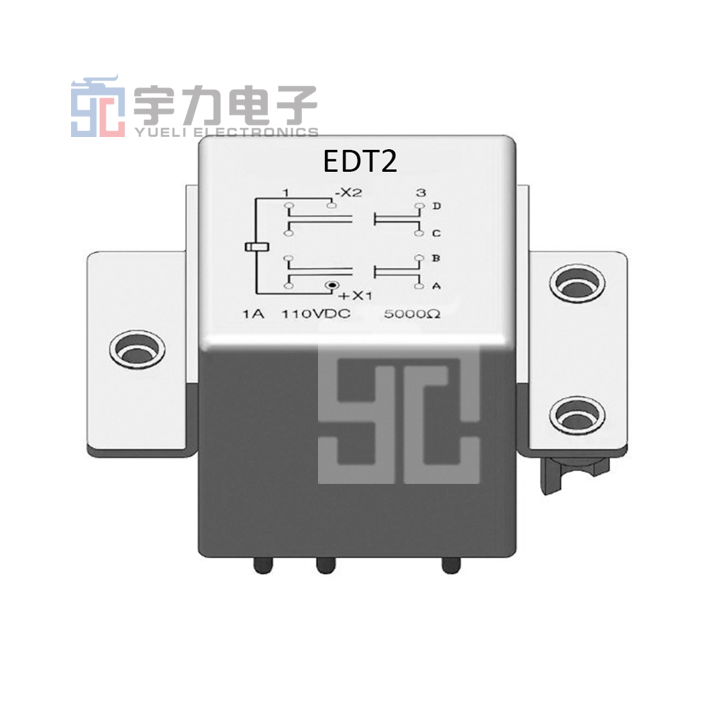
Sealed relays are specialized electronic components that play a crucial role in various applications, particularly in environments where exposure to contaminants, moisture, and extreme conditions can compromise performance. Unlike standard relays, sealed relays are encased in a protective enclosure that prevents the ingress of dirt, dust, and moisture, thereby enhancing their reliability and longevity.
One of the primary advantages of using sealed relays is their ability to operate in challenging environments. They are commonly employed in automotive, industrial, and consumer electronics. For instance, in automotive applications, sealed relays are often used in lighting systems, power distribution, and safety mechanisms, where exposure to moisture and dirt is inevitable. Their robust design ensures that they function reliably, even under adverse conditions.
Another significant feature of sealed relays is their electromagnetic operation. They use an electromagnetic coil to control a switch, allowing them to manage high-power loads with low-power control signals. This functionality is particularly valuable in applications where energy efficiency and space are critical considerations. Additionally, sealed relays provide a high level of isolation between the control and load circuits, which is essential for protecting sensitive electronic components from voltage spikes and surges.
The construction of sealed relays typically involves materials that can withstand high temperatures and are resistant to corrosion. The protective seal is often made from rubber or silicone, which not only prevents moisture intrusion but also allows the relay to maintain its functionality over a broader temperature range. This characteristic is particularly important in industries such as aerospace and defense, where reliability is non-negotiable.
When selecting a sealed relay for a specific application, professionals should consider several factors, including the voltage and current ratings, form factor, and the operational environment. Understanding these parameters is crucial for ensuring optimal performance and longevity of the relay within the designated application.
In summary, sealed relays are indispensable components in the electronics industry, renowned for their reliability in harsh conditions. Their unique design allows them to thrive in diverse applications, from automotive to industrial machinery, making them a vital part of modern electronic systems. By understanding the features and benefits of sealed relays, professionals can make informed decisions that contribute to the overall success and safety of their electronic projects.
One of the primary advantages of using sealed relays is their ability to operate in challenging environments. They are commonly employed in automotive, industrial, and consumer electronics. For instance, in automotive applications, sealed relays are often used in lighting systems, power distribution, and safety mechanisms, where exposure to moisture and dirt is inevitable. Their robust design ensures that they function reliably, even under adverse conditions.
Another significant feature of sealed relays is their electromagnetic operation. They use an electromagnetic coil to control a switch, allowing them to manage high-power loads with low-power control signals. This functionality is particularly valuable in applications where energy efficiency and space are critical considerations. Additionally, sealed relays provide a high level of isolation between the control and load circuits, which is essential for protecting sensitive electronic components from voltage spikes and surges.
The construction of sealed relays typically involves materials that can withstand high temperatures and are resistant to corrosion. The protective seal is often made from rubber or silicone, which not only prevents moisture intrusion but also allows the relay to maintain its functionality over a broader temperature range. This characteristic is particularly important in industries such as aerospace and defense, where reliability is non-negotiable.
When selecting a sealed relay for a specific application, professionals should consider several factors, including the voltage and current ratings, form factor, and the operational environment. Understanding these parameters is crucial for ensuring optimal performance and longevity of the relay within the designated application.
In summary, sealed relays are indispensable components in the electronics industry, renowned for their reliability in harsh conditions. Their unique design allows them to thrive in diverse applications, from automotive to industrial machinery, making them a vital part of modern electronic systems. By understanding the features and benefits of sealed relays, professionals can make informed decisions that contribute to the overall success and safety of their electronic projects.
Xi'an Yuli Electronic Technology Co., Ltd.
Whats App:+8618122061211

Message consultation
Note: Please leave your contact information and our professionals will contact you as soon as possible!