Welcome to the official website of Xi'an Yuli Electronic Technology Co., Ltd.


Understanding High Power Relays: A Guide for Professionals
2026-05-14
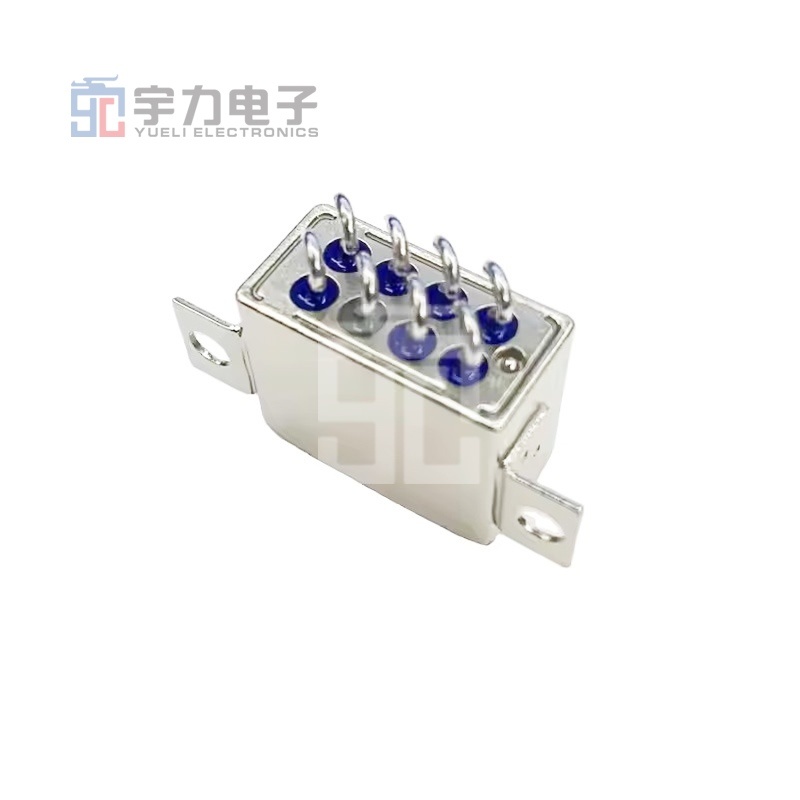
High power relays are vital components in various electronic systems, particularly where controlling high voltage or high current loads is necessary. These relays serve as electrically operated switches, allowing low power signals to control the operation of high power equipment, making them indispensable in industrial automation, power distribution, and automotive applications.
One of the primary functions of high power relays is to isolate high power circuits from low power control circuits. This isolation is crucial for ensuring the safety of both the operators and the equipment. By using a low voltage signal to control a high voltage circuit, high power relays effectively protect sensitive components and personnel from potentially hazardous conditions.
In terms of design, high power relays come in various configurations, including electromechanical and solid-state types. Electromechanical relays (EMRs) use electromagnetic coils to actuate contacts, while solid-state relays (SSRs) utilize semiconductor devices to achieve the same outcome without moving parts. While EMRs are often favored for their simplicity and reliability, SSRs are recognized for their speed, longevity, and ability to handle higher frequencies and faster switching operations.
When selecting a high power relay, several factors should be considered. First, the relay’s current and voltage rating should match the requirements of the application. Overrating can lead to failure, while underrating can cause overheating and reduce lifespan. Additionally, it is essential to evaluate the relay's switching speed and the type of load it will control, whether resistive, inductive, or capacitive, as these factors can impact performance.
Temperature endurance is another critical consideration. High power relays should be rated for the environmental conditions in which they will operate, including temperature fluctuations and humidity levels. Proper heat dissipation mechanisms, such as heatsinks or adequate spacing, should be in place to prevent thermal overload.
High power relays also play significant roles in energy efficiency. In applications where frequent switching occurs, using the appropriate relay can minimize energy loss, particularly when dealing with inductive loads that may generate back EMF. Integrating advanced relay technologies can further improve system reliability and operational efficiency.
In conclusion, high power relays are essential components in modern electronic systems, enabling the control of high power devices safely and efficiently. By understanding their functions, types, and critical selection criteria, professionals in the electronics industry can make informed decisions that enhance system performance and reliability. Whether you are involved in designing new systems or maintaining existing ones, a solid grasp of high power relays will significantly contribute to your success in the field.
One of the primary functions of high power relays is to isolate high power circuits from low power control circuits. This isolation is crucial for ensuring the safety of both the operators and the equipment. By using a low voltage signal to control a high voltage circuit, high power relays effectively protect sensitive components and personnel from potentially hazardous conditions.
In terms of design, high power relays come in various configurations, including electromechanical and solid-state types. Electromechanical relays (EMRs) use electromagnetic coils to actuate contacts, while solid-state relays (SSRs) utilize semiconductor devices to achieve the same outcome without moving parts. While EMRs are often favored for their simplicity and reliability, SSRs are recognized for their speed, longevity, and ability to handle higher frequencies and faster switching operations.
When selecting a high power relay, several factors should be considered. First, the relay’s current and voltage rating should match the requirements of the application. Overrating can lead to failure, while underrating can cause overheating and reduce lifespan. Additionally, it is essential to evaluate the relay's switching speed and the type of load it will control, whether resistive, inductive, or capacitive, as these factors can impact performance.
Temperature endurance is another critical consideration. High power relays should be rated for the environmental conditions in which they will operate, including temperature fluctuations and humidity levels. Proper heat dissipation mechanisms, such as heatsinks or adequate spacing, should be in place to prevent thermal overload.
High power relays also play significant roles in energy efficiency. In applications where frequent switching occurs, using the appropriate relay can minimize energy loss, particularly when dealing with inductive loads that may generate back EMF. Integrating advanced relay technologies can further improve system reliability and operational efficiency.
In conclusion, high power relays are essential components in modern electronic systems, enabling the control of high power devices safely and efficiently. By understanding their functions, types, and critical selection criteria, professionals in the electronics industry can make informed decisions that enhance system performance and reliability. Whether you are involved in designing new systems or maintaining existing ones, a solid grasp of high power relays will significantly contribute to your success in the field.
Xi'an Yuli Electronic Technology Co., Ltd.
Whats App:+8618122061211

Message consultation
Note: Please leave your contact information and our professionals will contact you as soon as possible!